Scuba Diving

Reef Diving AKUMAL Bay

Akumal Reef

Local reef diving with short boat rides and a mix of coral heads, sandy patches, and turtle habitat. Conditions change day to day, but it is a great place to see the classic Akumal marine life up close.

  • Shallow-to-moderate reef profiles, good for newer divers
  • Common sightings include turtles, rays, and reef fish
  • Gentle exploration rather than high-current diving
  • Snorkeling is also popular in calm conditions
Reef Diving Puerto Aventuras Reefs

Puerto Aventuras Reefs

A marina-based jumping-off point to a wide range of reef sites, from relaxed reef gardens to deeper sections with bigger structure. Good option when you want more site variety than a single bay reef.

  • Many different reef sites depending on conditions
  • Healthy coral structure and swim-through style terrain
  • Often good visibility and easy boat logistics
  • Some sites suit advanced divers looking for deeper profiles
Wreck Diving Mama Viña Wreck

Mama Viña Wreck

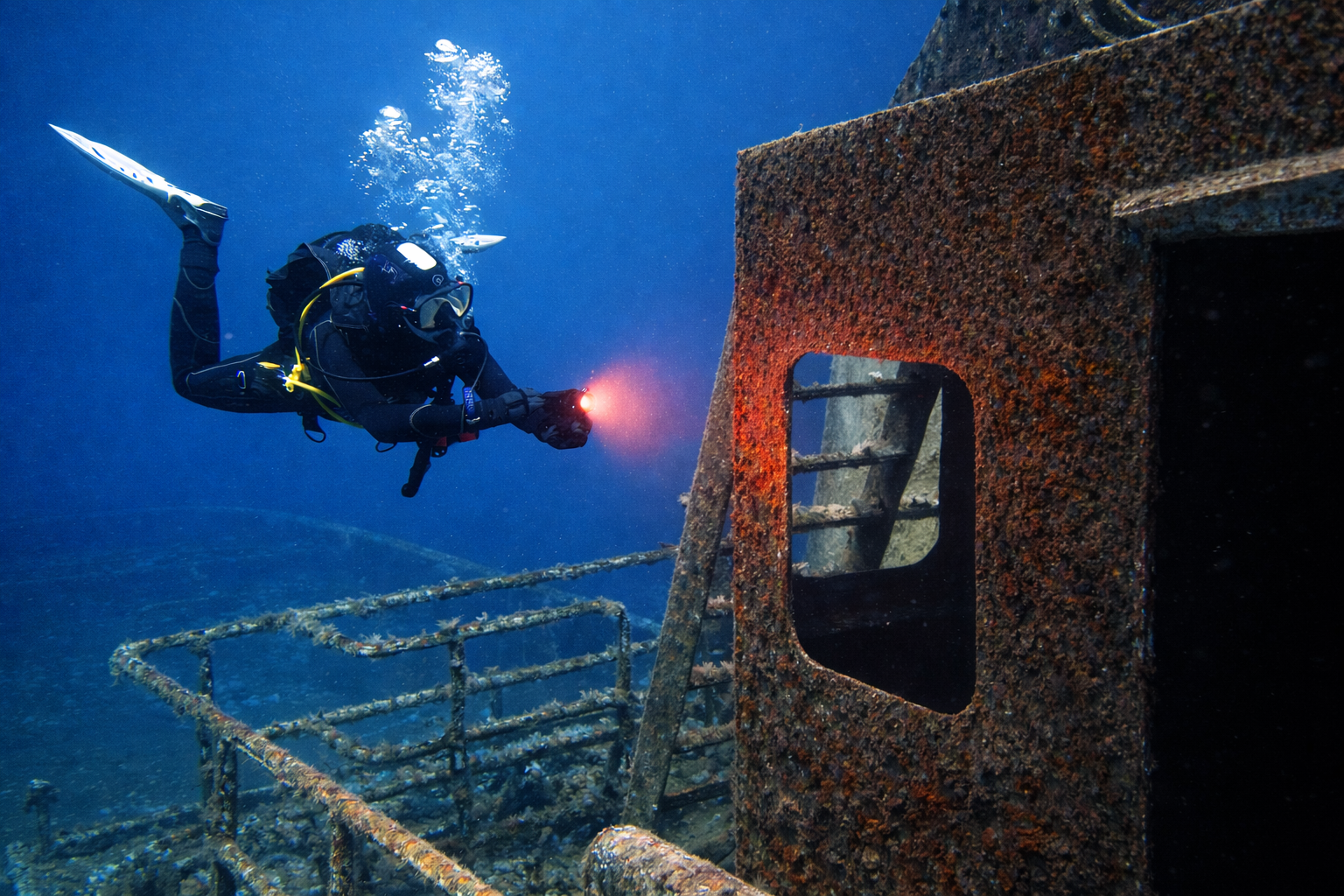
A purpose-sunk wreck that has become a living reef, with metal structure covered in marine growth and plenty of nooks for fish to shelter. It is a classic Playa-area dive that feels different from pure reef sites.

  • Wreck structure with open areas and swim-around sections
  • Often good for schools of fish and hunting predators
  • Photogenic lines, beams, and contrast against sand
Reef Diving Reef Diving

Playa del Carmen Drift Diving

Drift dives where the current does the work, moving you along reef lines while you focus on buoyancy and spotting life. This style feels fast and dynamic compared to slow, stationary reef exploration.

  • Current-assisted dives with a guided pickup at the end
  • Great for practicing buoyancy and relaxed finning
  • Often features turtles, rays, and larger schools of fish
  • Best experienced as scuba rather than snorkeling
Reef Diving Cozumel

Cozumel Day Trips

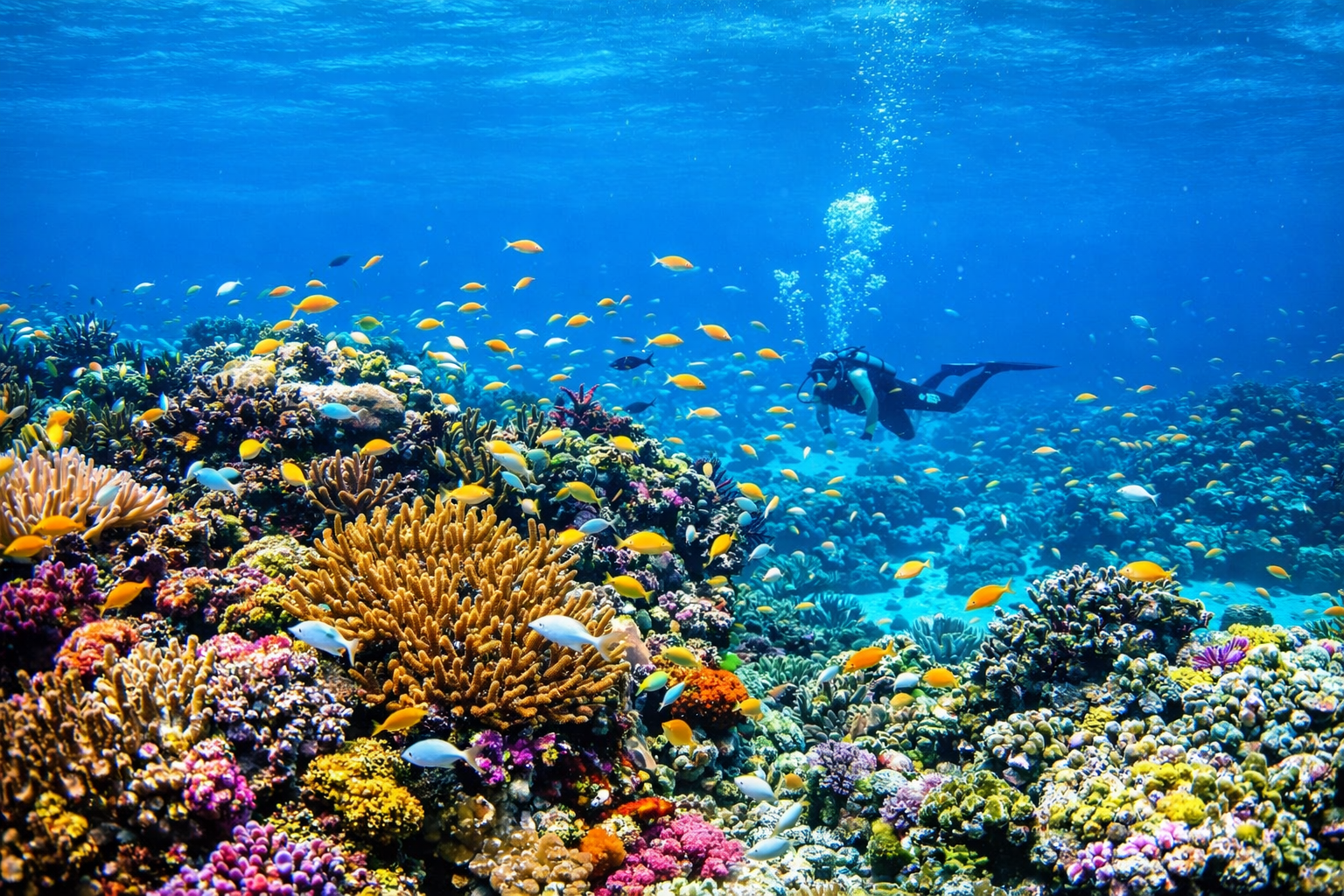
World-famous wall and reef diving with clear water, big-scale coral formations, and a huge menu of sites. The reefs here feel more dramatic and expansive than most mainland dives.

  • Iconic walls, drop-offs, and towering coral structures
  • Excellent visibility is common
  • Many sites are drift dives with steady current
  • Ideal for certified divers; snorkeling options also exist
Cenote & Cavern Diving Dos Ojos Cenote

Dos Ojos Cenote

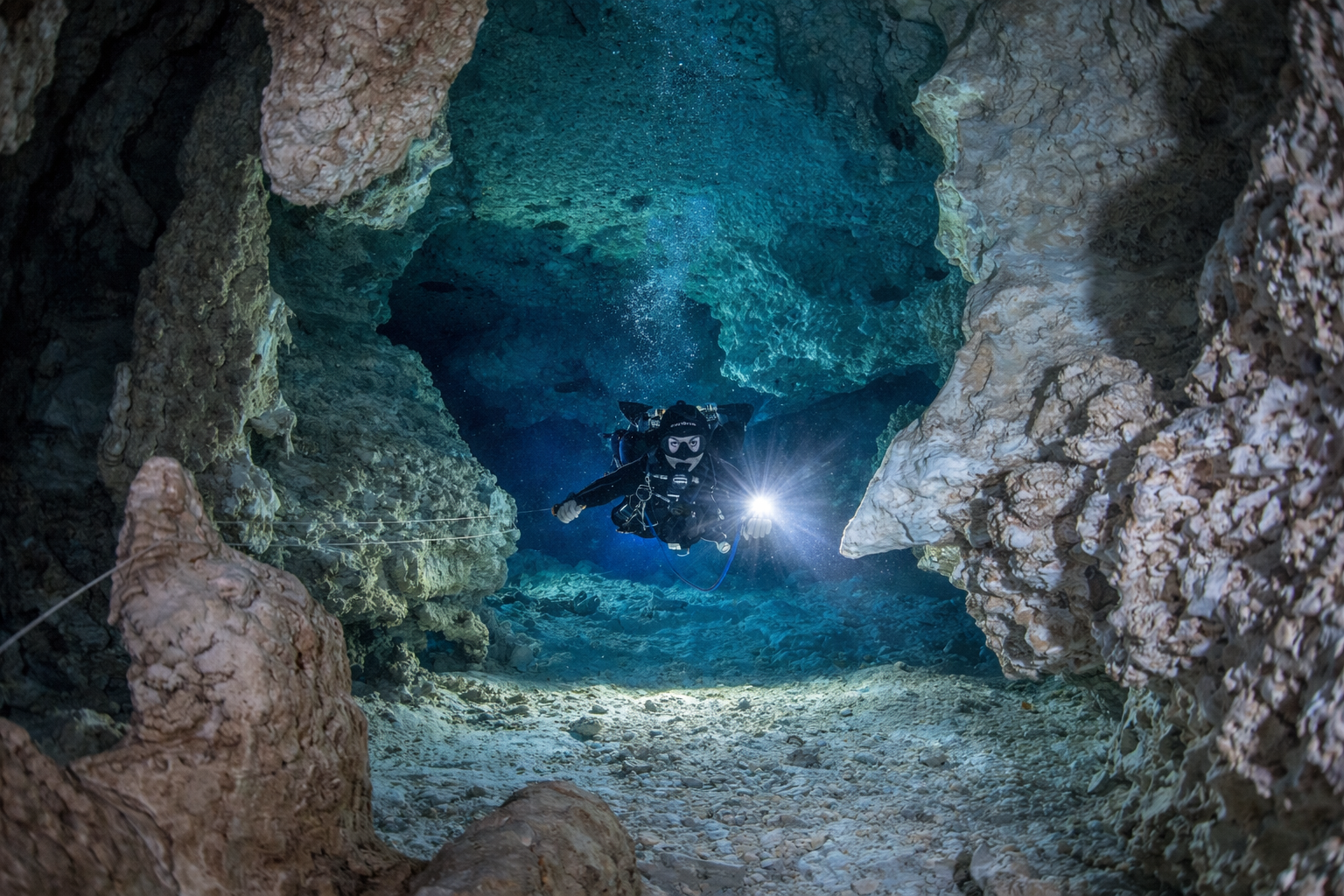
A landmark cavern system with multiple entry pools and long, clear passages. It works for both first-time cenote divers and advanced programs depending on the specific route and guide.

  • Multiple cavern routes with very clear water
  • Dramatic light beams in the right conditions
  • Buoyancy control matters more here than fin power
  • Technical cave diving access (with guide)
Cenote & Cavern Diving ANGELITA

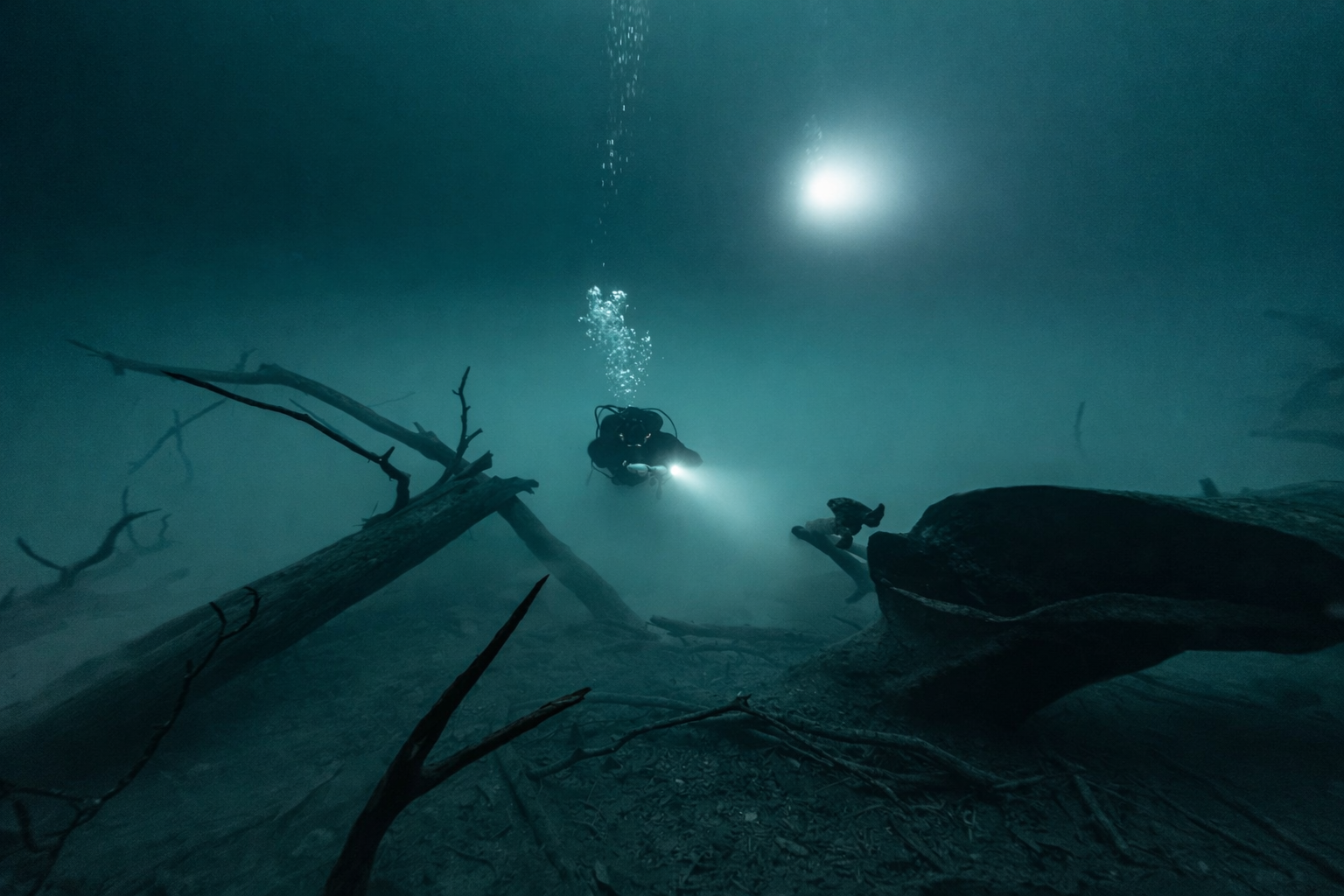
Angelita Cenote

A deep vertical dive best known for its layered water effect and eerie, cinematic feel. This is not a casual swim cenote; it is chosen specifically as an advanced, memorable dive experience.

  • Deep sinkhole profile with limited shallow time
  • Known for strong halocline and dramatic visual layers
  • Generally for experienced divers, not beginners
  • Technical cave diving access (with guide)
Cenote & Cavern Diving Aktun Ha

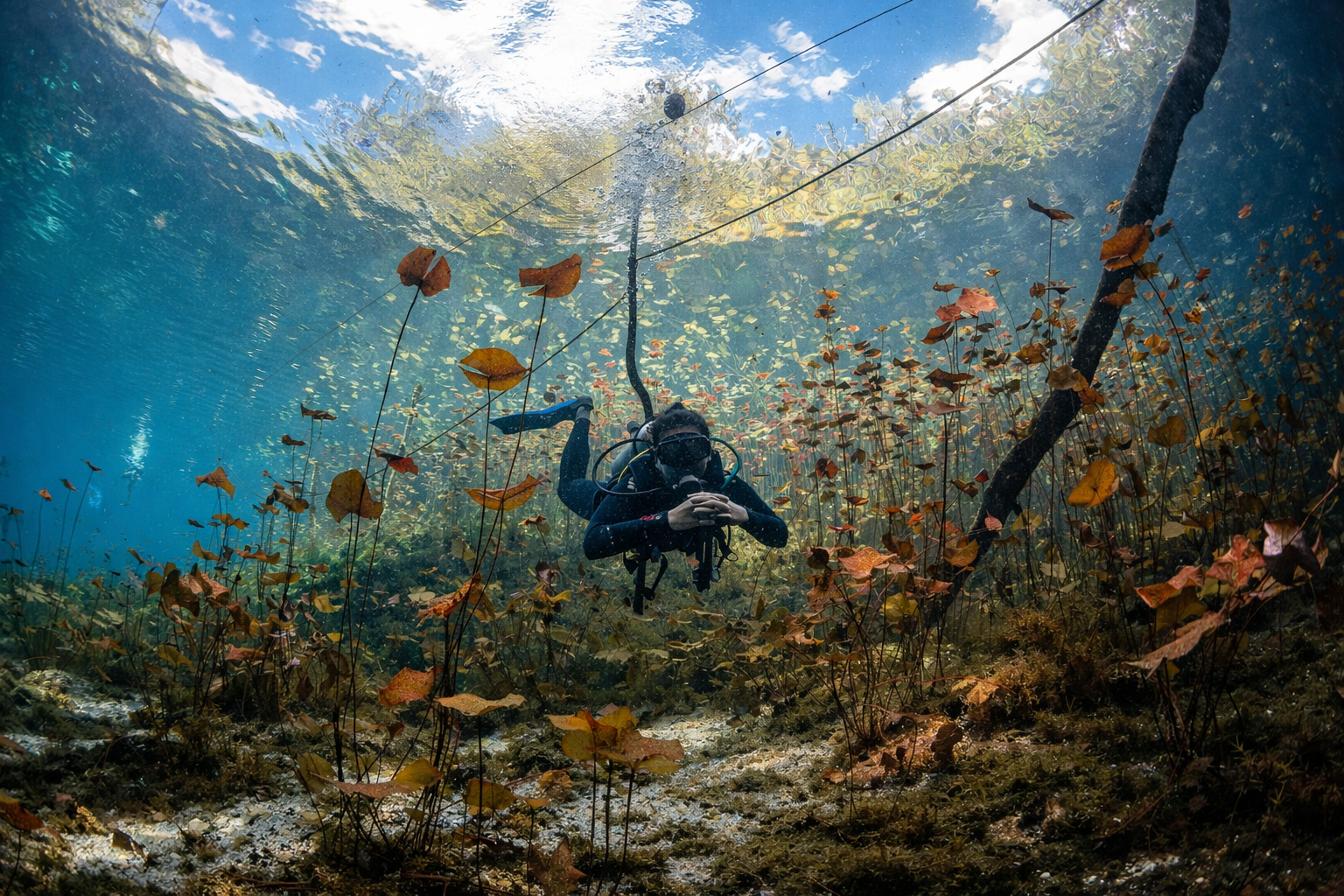
Aktun Ha (Carwash Cenote)

An open-water cenote that feels more like a freshwater lake, with plant life and a softer, natural look. Good for training dives, relaxed tours, and anyone who prefers open water over tight caverns.

  • Open cenote style with easy navigation
  • Aquatic plants and freshwater life are common
  • Great for check-out dives and skills practice
  • Snorkeling and swimming are also popular here
Cenote & Cavern Diving THE PIT

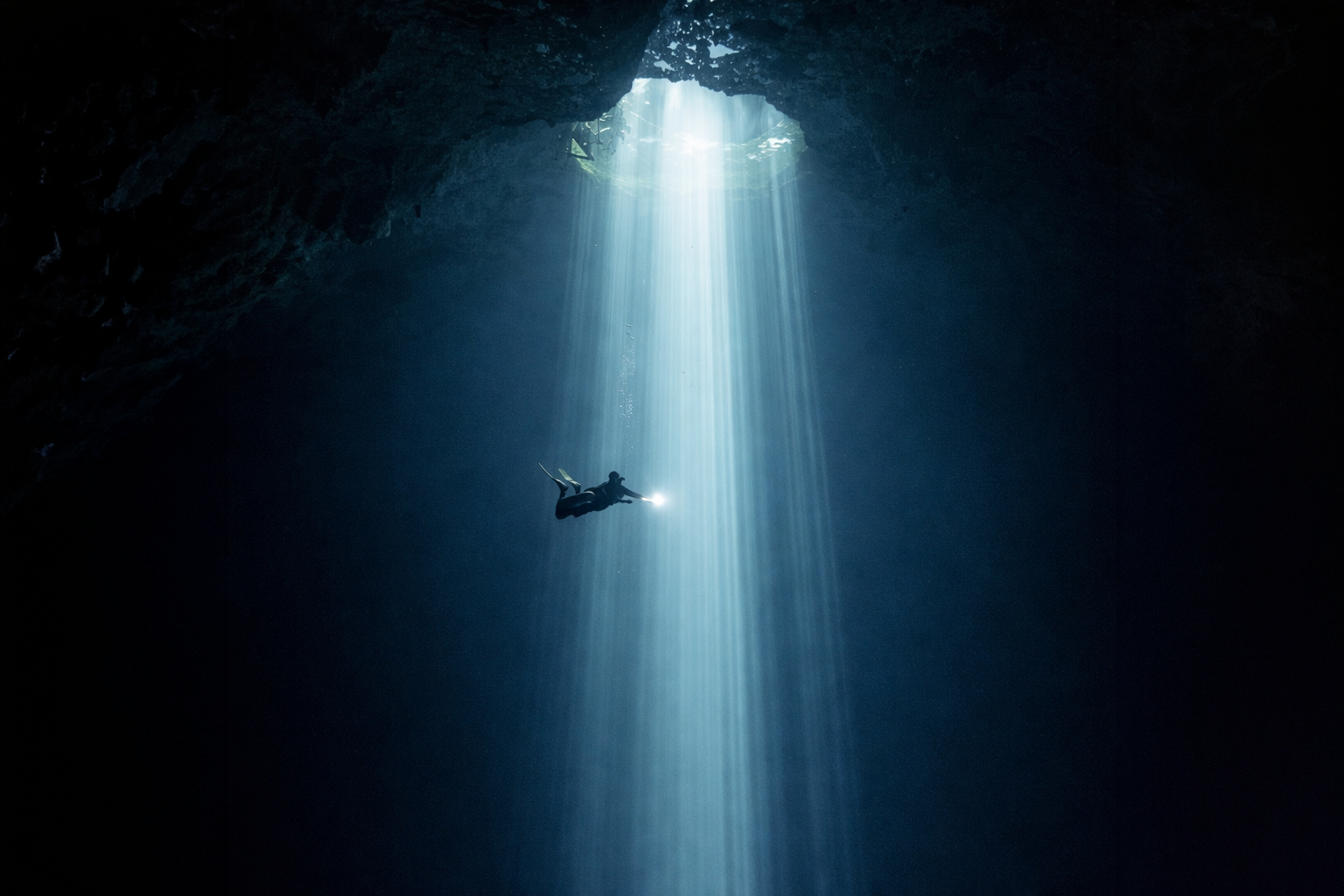
The Pit

A pure vertical drop with incredibly clear water and a strong sense of depth. It is famous for the light beam effect and for feeling like a big, open, blue void rather than a cave swim.

  • Deep vertical dive with very high visibility
  • Iconic light beam effect in the right conditions
  • Typically done as an advanced dive experience
  • Technical cave diving access (with guide)
Cenote & Cavern Diving Tajma Ha Cenote

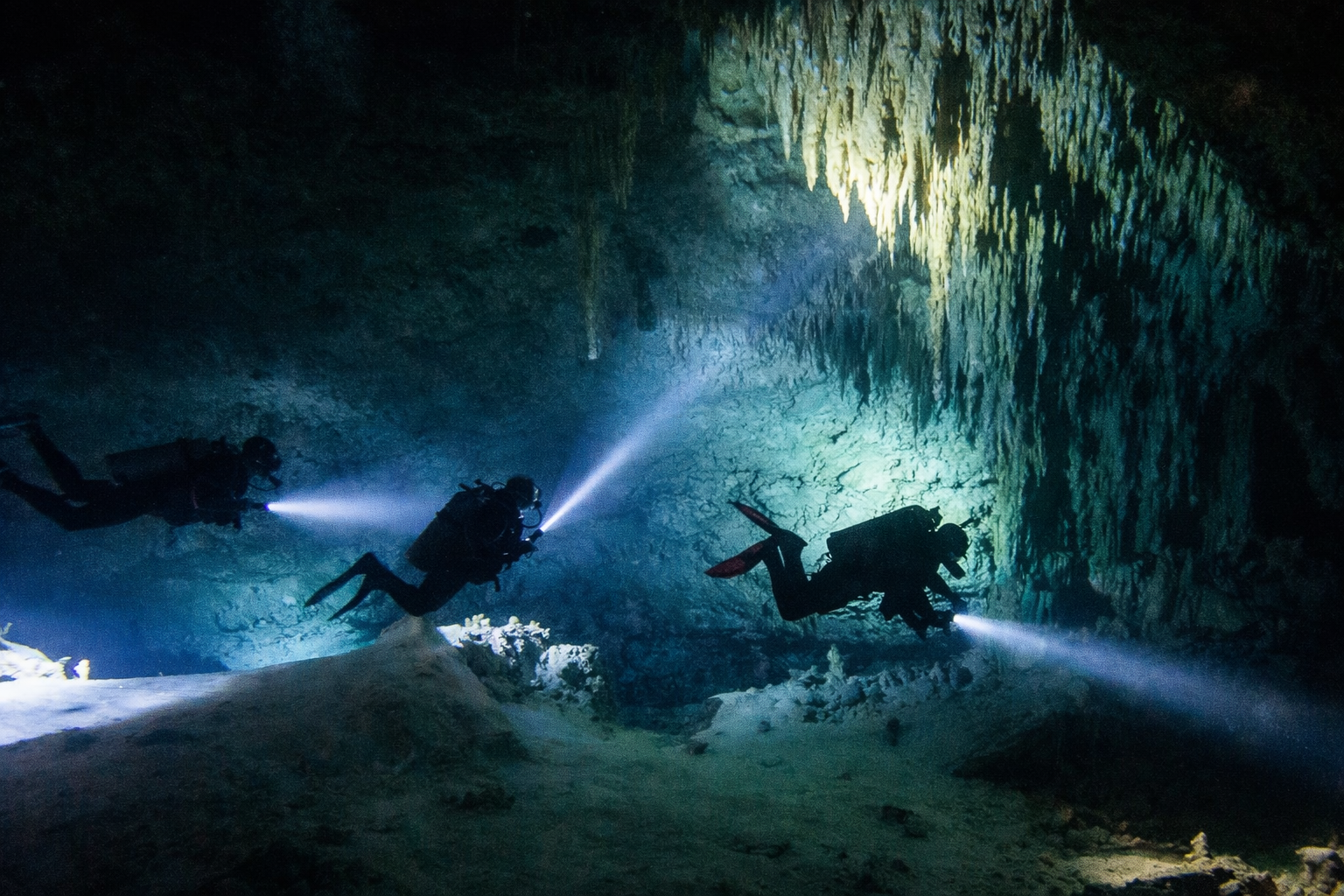
Tajma Ha Cenote

A favorite among divers for its crystal-clear water and elegant formations, often with striking light rays. The routes can range from gentle cavern tours to more technical lines depending on the plan.

  • Clear cavern diving with impressive formations
  • Light rays can be spectacular on sunny days
  • Often used for intermediate-to-advanced cavern dives
  • Technical cave diving access (with guide)

Yes. Several dive operators run daily boat dives departing directly from Akumal Bay, making it one of the most convenient places to dive along the Riviera Maya. Most dive shops in Akumal operate multiple departures each day, typically around 9:00 am, 11:00 am, 1:00 pm, and 2:30 pm, allowing divers to choose from morning or afternoon trips depending on their schedule. Many operators also offer night dives and organized cenote diving excursions inland. 

The reefs are located just a few minutes by boat from shore, so trips are usually short and easy compared with many other dive destinations. Divers typically board small panga-style boats directly from the beach or nearby launch points in Akumal Bay and reach local reef sites quickly.

Akumal sits along the Mesoamerican Barrier Reef, the second-largest coral reef system in the world, and more than 30 dive sites are located close to the bay. These sites feature coral formations, tropical fish, rays, turtles, and other marine life in relatively shallow water, making them suitable for both experienced divers and those with basic open-water certification.

Because the boats leave from Akumal itself, guests staying at Lol Ka’naab can reach local dive shops and departures within just a few minutes, making it easy to plan morning dives, afternoon dives, or multiple dives during a single day of your stay.

Several well-established dive shops operate directly in Akumal Bay, just a few minutes from Lol Ka’naab, making it very easy to arrange reef dives, cenote dives, equipment rental, or certification courses during your stay.

One of the operators is Akumal Dive Center, located in the main Akumal Bay area near the beach and restaurants. The center offers reef dives, cenote excursions, dive training, and equipment rental, with daily departures and instruction for both beginners and experienced divers. 

Another long-running option is The Original Akumal Dive Shop, a PADI 5-Star dive center that has operated in the area for decades. The shop offers guided reef dives, scuba certification courses, snorkeling tours, and trips to cenotes and other dive sites along the Riviera Maya. 

In addition to these, smaller local operators and independent instructors also work out of Akumal and nearby resorts, offering boat dives on the reef, cenote cavern dives inland, and private dive guiding. Because Akumal was originally developed as a diving community, most dive shops are located right along the bay where boats can depart directly from shore. 

Yes. Akumal is a great place for beginners to try scuba diving, and several local dive shops offer introductory programs designed for people who have never dived before. These experiences are commonly called “Discover Scuba Diving” or introductory dives, and they allow visitors to experience scuba under the supervision of a certified instructor without needing a full certification.

The experience usually begins with a short training session in shallow water, where participants learn the basic skills needed to breathe underwater, clear a mask, and communicate with their instructor. After this orientation, beginners typically join a guided reef dive from a boat departing Akumal Bay, where the reefs are located only a few minutes from shore.

Many of the local reef sites near Akumal are relatively shallow and calm, often between 30 and 40 feet (9–12 meters)deep, which makes them well suited for new divers. Visibility is usually excellent, and marine life commonly includes tropical reef fish, rays, coral formations, and occasionally sea turtles.

For visitors who decide they want to continue diving, the same dive centers also offer full Open Water certification courses, which can usually be completed over several days during a stay in the Riviera Maya.

The Riviera Maya offers two very different types of diving experiences: Caribbean reef dives in the ocean and cenote cavern dives in the freshwater cave systems found inland.

Reef dives take place in the Caribbean Sea along the Mesoamerican Barrier Reef, the second-largest coral reef system in the world. These dives are typically reached by small boat departing from Akumal Bay and nearby coastal launch points. Divers explore coral formations, sandy channels, and reef walls while encountering tropical marine life such as angelfish, parrotfish, rays, moray eels, and sea turtles. Reef dives are usually done in warm saltwater with depths commonly ranging from 30 to 80 feet (9–24 meters), and they are suitable for most recreational divers.

Cenote dives, by contrast, take place inland in natural limestone sinkholes that connect to vast underground cave systems formed over thousands of years. These dives occur in freshwater caverns with extraordinary visibility that can exceed 100 feet (30 meters). Divers move through dramatic rock formations, stalactites, and stalagmites while following permanent guideline paths illuminated by beams of natural light filtering through jungle openings above. The experience is quieter and more otherworldly than ocean diving.

Most cenote dives offered to recreational divers are cavern dives, which remain within the daylight zone and are led by specialized guides. These dives are accessible to certified Open Water divers, while deeper cave exploration requires advanced technical cave-diving training.

Together, these two environments give the Riviera Maya one of the most diverse diving experiences in the world—allowing visitors staying at Lol Ka’naab to explore both vibrant coral reefs and the unique underwater cave systems of the Yucatán Peninsula within a short distance.

The waters along the Riviera Maya are part of the Mesoamerican Barrier Reef, the second-largest coral reef system in the world. This healthy reef environment supports a wide variety of marine life, making each dive a little different depending on the site and conditions.

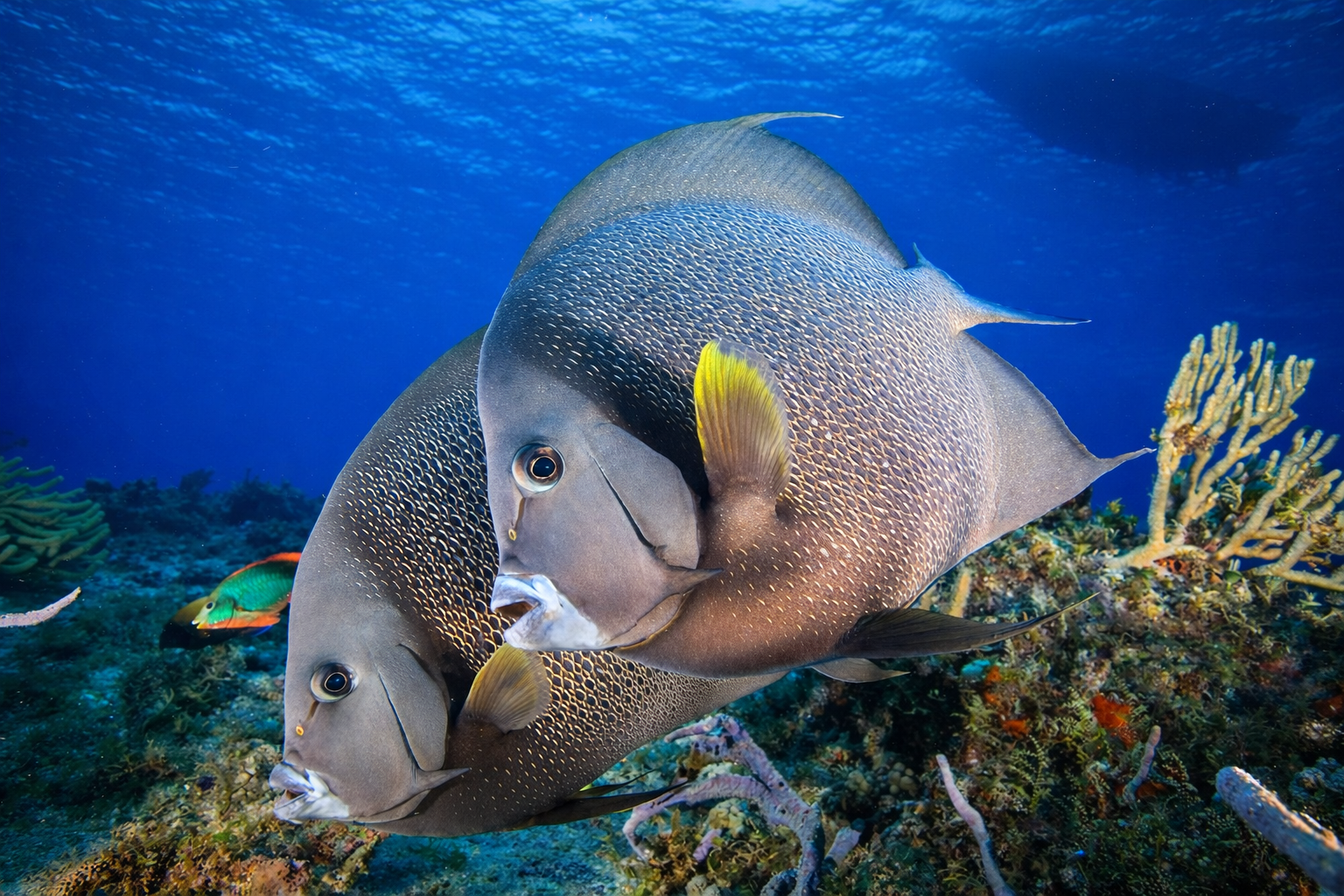
Divers commonly see tropical reef fish such as angelfish, parrotfish, butterflyfish, wrasse, and large schools of sergeant majors and grunts moving through the coral formations. Many dive sites also feature spotted eagle rays, southern stingrays, moray eels, and sea turtles, which are frequently encountered on the reefs near Akumal.

Larger marine life can also appear depending on the location and season. Nurse sharks are often seen resting beneath coral ledges, while bull sharks are sometimes encountered on winter dives farther north near Playa del Carmen. Barracuda, large groupers, and jacks are also common on deeper reef sites.

Cenote dives offer a completely different environment. Because cenotes are freshwater cave systems, marine life is limited, but divers often see small fish, freshwater species, and fascinating geological formations such as stalactites and stalagmites that formed thousands of years ago when the caves were dry.

Whether diving on the coral reef or exploring the cavern systems inland, the Riviera Maya offers an impressive range of underwater sights within easy reach of Lol Ka’naab.

Diving in the Riviera Maya is possible year-round, thanks to warm water temperatures and generally good visibility throughout the year. Water temperatures typically range from about 78°F to 84°F (26–29°C), so most divers are comfortable with a thin wetsuit or shorty.

Many divers consider the winter and early spring months (December through April) to offer some of the best reef diving conditions. Seas are often calmer, water visibility can be excellent, and temperatures are comfortable both in and out of the water. This is also the season when bull shark dives are sometimes available near Playa del Carmen for experienced divers.

The summer months (May through September) bring warmer water and very active marine life on the reefs. Visibility can vary slightly depending on weather, but diving conditions are still generally very good. Summer is also when sea turtles are commonly seen along the coast.

Cenote diving, one of the unique highlights of the Riviera Maya, is excellent at any time of year. Because cenotes are inland freshwater systems, they are protected from ocean conditions and typically maintain extraordinary visibility year-round.

For guests staying at Lol Ka’naab, diving opportunities are available in every season, with reef dives departing from nearby Akumal and cenote dive sites located a short drive inland.

Scroll to Top